
Website Security Services in India – Protect Your Website and Business Data
Your website connects customers with your business, but outdated software, weak login controls, and malicious traffic can put it at risk. HRM looks at protecting your website against attacks. Attacks can compromise information, hinder enquires or even switch your online services offline. We review the security requirements for your website and work out an appropriate security solution to protect your business.
You Can Trust Us!
Trusted by 1000s of Customers across the Country

25
Years of Business

2,700+
SME Customers in India

85%
Repeat Customers

300+
Man Years of Experience
Trusted IT and Cybersecurity Expertise
25 years in business | 2,700+ SME customers in India | 85% repeat customers | 300+ person-years of experience
HRM brings together cloud infrastructure, cybersecurity, backup and IT services to help businesses address their technology and protection needs.
Protect Your Business with Advanced Website Security Solutions
Website security refers to the security of a website’s applications, accounts, data, etc. It can be threatened by various means, i.e. vulnerabilities of used plugins, open admin pages, weak passwords for user and system accounts and misconfigurations of the hosting environment. Also applications on HTTPS-enabled websites can be full of security holes.
HRM combines effective website protection services with preventative measures and access control to identify necessary security measures for your website and supporting IT environment. We review the website and IT environment and put in place necessary controls to protect you against threats and work within your agreed service scope.

Prevent Threats
Reduce exposure to malware and malicious requests.

Control Access
Restrict sensitive settings to authorised users.

Review Weaknesses
Assess configurations, applications and available updates.

Improve Visibility
Identify unusual activity and investigate potential incidents.
Why Choose HRM for Website Security Services?
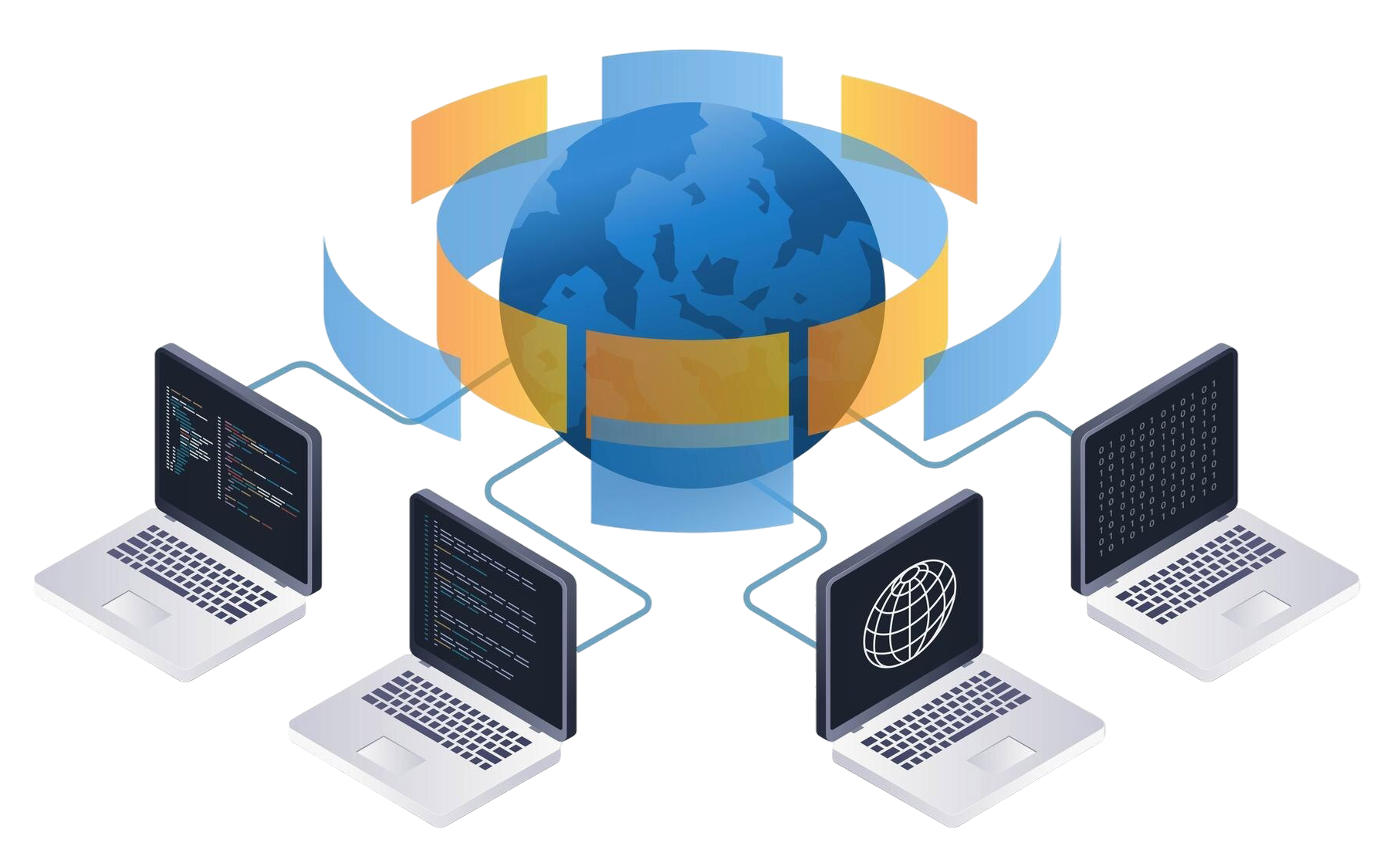
All aspects of a website – applications, hosting and users – need to be secured. Our experience with cloud, server and data protection services means that we can offer businesses practical security advice and support to implement effective website security solutions.


Comprehensive Website Protection
Security involves more than one plugin or certificate. We consider website applications, hosting configurations, user accounts and business data together to identify where additional protection may be needed.

Performance-Focused Security
Website protection should be appropriate for the workload. Security controls can be selected and configured with the site's performance, customer experience and operational requirements in mind.

Scalable Security Solutions
As a business adds web pages, integrations, online transactions or new applications, its exposure changes. A review-led approach helps security controls develop alongside those changing requirements.

Proactive Threat Visibility
Useful security information helps teams respond to potential issues. Relevant logs, alerts and assessments can highlight suspicious activity and vulnerabilities that deserve investigation and prioritised action.

Centralised Security Management
Clear oversight makes security easier to maintain. Documented settings, assigned responsibilities and organised reporting can help teams track important website controls, outstanding findings and follow-up actions.
Common Website Security Threats That Put Businesses at Risk
Website security threats can affect customer confidence, business information and daily operations. Understanding these common risks helps businesses choose website hacking protection measures that address their actual exposure.
No single control stops every attack; website protection works best when several security layers operate together.

Malware and Malicious Scripts
Attackers may insert harmful code that redirects visitors, steals information or changes website content. Website malware protection and file reviews help detect suspicious changes and support remediation.

Stolen Credentials and Unauthorised Logins
Weak passwords and compromised administrator accounts can allow unwanted access to website settings. Strong authentication and restricted privileges help reduce the damage an account compromise can cause.

Outdated Plugins and Software
Old themes, extensions and content management systems may contain known vulnerabilities. Regular updates and a website vulnerability assessment help identify weaknesses and prioritise fixes.

Insecure Configurations
Exposed administration tools, unnecessary permissions and unsafe default settings make websites easier to attack. Configuration reviews and website hardening reduce these avoidable entry points.

Data Theft and Application Attacks
Injection attacks, insecure forms and flawed access checks may expose or alter sensitive information. Application testing, secure development practices and access controls address these risks.

Traffic Attacks and Service Disruption
Malicious requests or sudden traffic surges may overwhelm available resources and interrupt website access. Traffic filtering, hosting safeguards and recovery planning help manage disruption.
Key Features of Our Website Security and Protection Solutions
Website security solutions consist of various settings, access controls and regular checks. When searching for web application security services it is important to analyze how a web application communicates with browsers, databases, servers and third-party services online.
The respective security measures can then be selected based on the website platform, company risk, sensitive data, hoster and scope of implementation. Not every website requires the same security measures.
Threat Prevention and Hardening

Website Malware Scanning and Protection
Malware scanning checks website files and code for known threats or suspicious changes. Findings can guide investigation, isolation and removal of affected components.

Website Hardening and Secure Configuration
Hardening reduces unnecessary services, unsafe settings and excessive permissions. It helps limit the routes attackers can use to reach website administration or files.

Website Firewall Protection and WAF
A web application firewall (WAF) filters HTTP requests using defined rules. Where suitable, it can reduce exposure to common malicious patterns without replacing application security fixes.

Vulnerability Assessment and Patch Management
A website vulnerability assessment identifies outdated components and potential configuration issues. Teams can prioritise important findings and apply updates after appropriate checks and testing.

Plugin and Application Control
Reviewing installed plugins, themes and integrations helps remove unsupported or unnecessary components. Approved software and controlled changes reduce exposure from unknown or poorly maintained extensions.
Access and Data Security

Role-Based Access Controls
Giving each user only the permissions required for their role limits unnecessary access. Regular account reviews also help identify privileges that should be changed or removed.

Secure Logins and Multi-Factor Authentication
Strong credentials, login restrictions and supported multi-factor authentication protect administration areas. These measures make stolen passwords less useful to attackers seeking access to a website.

HTTPS and SSL/TLS Encryption
Correctly configured certificates encrypt data travelling between browsers and websites. HTTPS supports safer logins and form submissions but does not fix vulnerabilities within website applications.

Secure Data Handling and Transfers
Access restrictions, validated forms and encrypted connections help protect information moving between websites and connected systems. Controls should reflect the sensitivity of the data involved.
Detection, Monitoring and Response

Website Security Monitoring and Alerts
Website security monitoring examines relevant logs and events for unusual activity. Defined alerts and review responsibilities help teams decide when further investigation is necessary.

Behaviour-Based Threat Identification
Repeated login failures, unexpected file changes and unusual request patterns may indicate suspicious behaviour. Reviewing these signals can reveal issues that simple signature checks miss.

File Integrity and Change Reviews
Comparing important website files with expected versions can uncover unauthorised modifications. Changes still need investigation because routine updates may also alter legitimate files.
Centralised Security Visibility
Consolidated findings and reports help teams see important risks across covered websites. Clear ownership supports prioritisation, follow-up and coordination with hosting or development partners.
Website Malware Removal and Incident Response
If a website is compromised, recovery may require removing malicious code, checking accounts and addressing the entry point. Website malware removal services and response responsibilities must be agreed in advance.
How HRM Helps Secure Your Website
Understanding what you run on the internet, who has access to it and what you do with it is crucial for understanding potential risks to your website. HRM’s consultation-based approach helps to identify relevant risks and implement suitable security measures within a given scope that remain practical, transparent and manageable within the constraints of your business.
Step 1 — Assess
Identify the website platform, hosting environment, applications and administrator access and conduct a website security assessment to highlight any outdated components, exposed settings etc. that need to be addressed.
Step 2 — Plan
When website security weaknesses are found they must be prioritized against the potential impact to your business. Suitable measures to mitigate the found security weaknesses must be agreed and a plan put in place to implement them. This may include requiring changes from the website developer or website hosting provider.
Step 3 — Implement
Apply the agreed security controls to the website by implementing the agreed configuration changes. For example, locking down access to the website, implementing secure connections, updating applications, etc.
Step 4 — Monitor
Feedback is provided on any security related alerts, events and incidents reported and processes clearly defined for the responsible party to determine whether an incident has occurred requiring further investigation.
Step 5 — Improve
Regular review and update of security controls is required as the website changes and new risks are discovered. The review of security incidents and how they could have been prevented along with the planning of any maintenance required is also important.
Website Security Solutions for Different Business Environments
Different website platforms face different risks. The right controls depend on application design, hosting responsibilities and the information processed. HRM can review requirements and confirm support for each environment.
WordPress Websites
Plugin vulnerabilities, outdated themes and weak administrator accounts are common concerns. WordPress security reviews should consider updates, permissions, login protection and configuration changes suitable for the site's setup.
E-Commerce Websites
Online stores handle orders, customer details and payment-related integrations. Security planning should address access rights, secure connections, application updates and protection of sensitive customer interactions throughout the buying journey.
Corporate and Business Websites
Company websites often contain contact forms, content systems and third-party integrations. Relevant controls help protect enquiry data, prevent unwanted content changes and reduce disruption to customer communication channels.
Custom Web Applications
Custom applications may have vulnerabilities in authentication, session handling, APIs or database queries. Security reviews should reflect the application's code, architecture, connected services and development responsibilities.
Cloud-Hosted Websites
Cloud website security involves identity controls, network exposure, application settings and monitoring. Responsibilities vary between the cloud provider, website owner and any external technical teams managing the environment.
Dedicated, Shared and VPS Hosting
Consider the degree to which server permissions, provider responsibilities for patches, and application-specific risks vary between hosted solutions.
Business Benefits of HRM Website Protection Services
The benefits of website security go beyond blocking attacks. A well-planned approach can help businesses manage risk, protect customer interactions and make security responsibilities easier to maintain.
Stronger Security Posture
Reducing unnecessary permissions, outdated software and configuration weaknesses helps limit avoidable exposure across important website components and connected systems.
Better Threat Visibility
Relevant logs, alerts and security assessments help teams understand unusual activity and decide which findings require immediate attention or investigation.
Improved IT Productivity
Clear security procedures and scheduled reviews reduce ad hoc troubleshooting and help teams spend more time on planned maintenance and improvements.
Lower Downtime Risk
Preventive controls and recovery preparation can reduce the likelihood or impact of incidents that interrupt website access and business enquiries.
Compliance Readiness
Documented controls and security records may support relevant privacy or industry requirements, although they do not guarantee regulatory compliance by themselves.
Potential Cost Savings
Preventing avoidable incidents may reduce investigation, restoration and operational costs; actual savings depend on the threats, controls and circumstances involved.
Protection That Can Grow
Security arrangements can be reviewed as websites add new applications, integrations, users or transactions, helping businesses adapt to changing risks.
Simpler Administration
Organised findings, defined responsibilities and clearer reporting make it easier to understand protection status and coordinate actions across technical teams.
Customers Success Stories

"What we like about HRM is their honesty and clarity. They make things look simple and execute quickly. We know, if they have suggested, it shall work and work well". We will always love to recommend them."

Nitesh Agarwal
CFO at Steel Plant
"The solutions offered by HRM Technologies are always fine-tuned with the right balance of Modernity & Reliability. This balance always makes their offering so powerful". We will always like to recommend them for IT Services."
MK SINGH
Manager at Transport Company
"We are happy to announce HRM as our preferred partner for all Cloud, IT & Software needs. They have solved our data protection issues in quick time."
Samkit Jain
Director at Tyre Showroom
"We were delighted to say that HRM have designed to use Tally Prime in single cloud server from multiple office. It is cost effective and high performance with high security & is also scalable in future."
Pankaj Agrawal
Director at Steel Plant
"HRM Technologies is "Very responsive, proactive and professional in IT services and delivery. This is how we acknowledge them". We will like to recommend them to everyone who wants to have genuine and transparent IT services."
CL SAHU
EDP MANAGER at Steel Plant
"We are tax professional and regularly visit our clients places for audit & inspection, and HRM have designed our Cloud server for working on Tally and Office documents, now we are ready for client services all over the world."
CA Vijit Goyal
Tax Practitioner
"What we like about HRM is their honesty and clarity. They make things look simple and execute quickly. We know, if they have suggested, it shall work and work well". We will always love to recommend them."
MK SINGH
Manager at Transport Company
Frequently Asked Questions About Website Security Services
1. What are website security services, and why are they important?
+
Website security services protect your web site’s applications, accounts, files and data from malicious use, and from unauthorized access. Businesses need web security to protect themselves from security incidents that could stop customers from making enquiries, put customers’ information at risk and even jeopardize their customers’ trust.
2. What can be included in HRM's website security services?
+
HRM offers a broad range of services relating to cybersecurity, cloud computing and data protection. If you require website specific support, this will typically involve us conducting a risk assessment for your website’s hosting and application environment and then advising on the most appropriate security controls for your site.
3. How is website security different from endpoint or server security?
+
HRM’s website security solutions deal with the security of web applications, login areas, files, user interaction with a website and related data. Endpoint security and server security are separate from website security and deal with the security of end points such as employee computers and servers and associated operating systems and other infrastructure.
4. Can HRM help with websites hosted on Windows or Linux servers?
+
HRM works with Windows and Linux server environments. Security needs may differ by operating system, hosting access and website platform. HRM can review the environment and discuss suitable controls, while confirming which configuration, patching and monitoring activities fall within the agreed support arrangement.
5. Are cloud-hosted, dedicated and shared-hosting websites covered?
+
Protection can be planned for websites in different hosting environments, but the controls available will vary. Shared hosting may limit administrative access, while dedicated or cloud deployments may allow more configuration options. HRM should confirm the supported environment, provider responsibilities and protection scope before implementation.
6. Can a web application firewall stop website hacking?
+
A web application firewall (WAF) can filter certain malicious web requests and reduce exposure to common attack patterns. It cannot prevent every intrusion or repair vulnerable code. Effective website hacking protection also involves secure development, timely updates, stronger account access and regular security reviews.
7. How does website malware protection work?
+
Website malware protection may use file scanning, suspicious activity checks and investigation of unexpected changes. If malicious code is found, remediation should identify affected components and the likely entry point. Website malware removal services should be confirmed separately because the tasks and recovery responsibilities vary by incident.
8. How often should website vulnerability assessments and updates be done?
+
Security updates should be reviewed whenever vendors release important fixes, and major website changes should trigger additional checks. The frequency of website vulnerability assessment depends on the site's risk, complexity and exposure. High-risk or transactional websites may need more frequent reviews than simple informational pages.
9. Can website security help with GDPR or India's DPDP requirements?
+
Security controls such as access restrictions, encryption and incident records may support elements of data protection obligations. However, neither GDPR nor India's DPDP framework can be satisfied by a website security tool alone. Organisations also need appropriate policies, processes and legal advice for their specific obligations.
10. How much do website security services in India cost, and how do I enquire?
+
Pricing depends on website complexity, hosting access, number of applications, required controls and support arrangements. HRM does not publish a fixed price for this service. To discuss website security services in India, contact HRM with your website details and request an assessment or quotation.