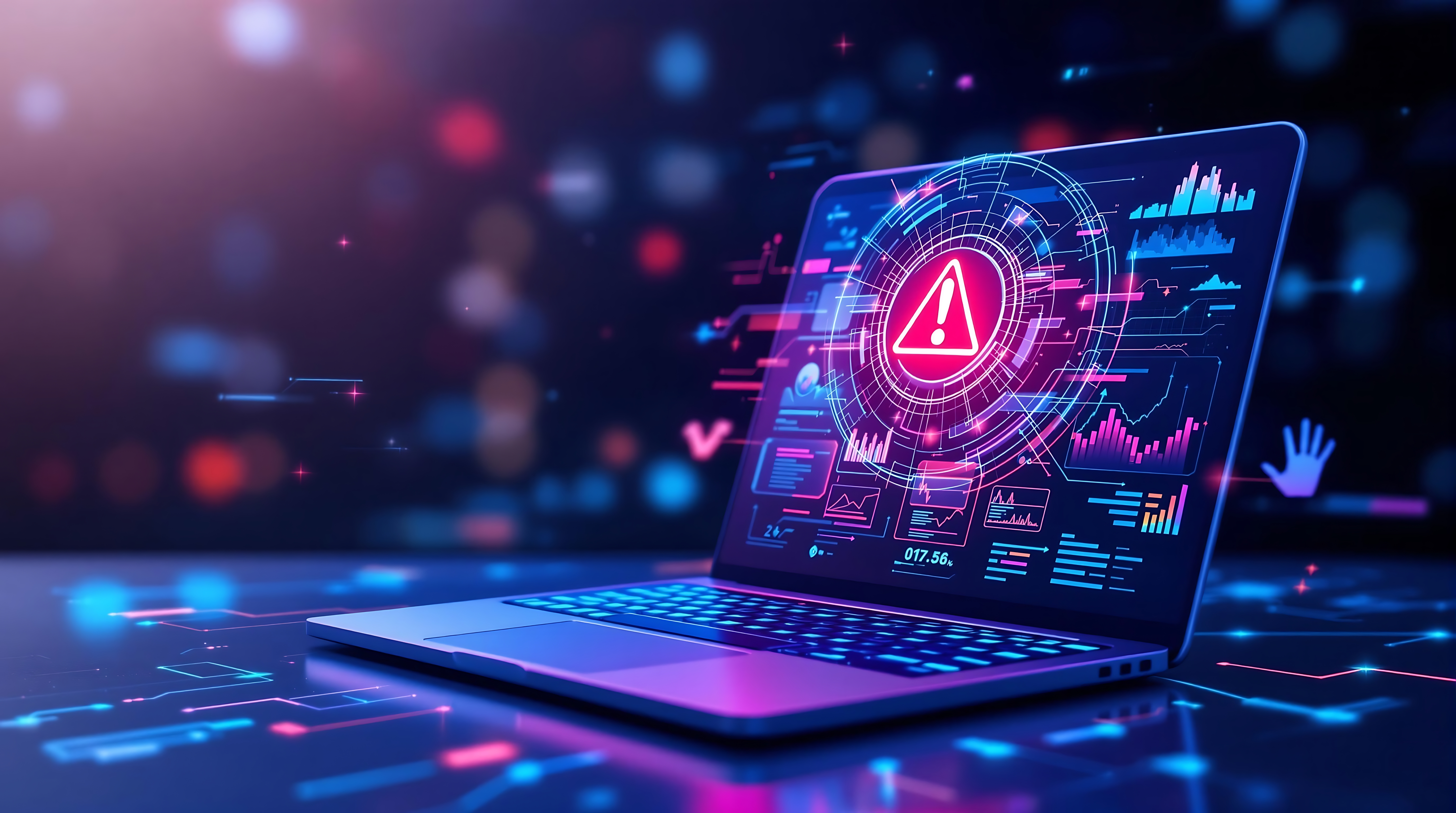
DATA LOSS PREVENTION (DLP)
Stay ahead of data security challenges with a trusted Data Loss Prevention and Insider Risk Management Solution
- Shield your data
- Stop data leaks
- Spot insider risks
HRM, provides a first-class solution for managing insider risks and staff performance for the sustainable development of thousands of enterprises around the world. It also provides essential tools for insider investigations and data leak prevention such as realtime monitoring, security alerts, activity monitoring and behaviour deviations.
100’s of Endpoint & Server are covered by DLP Policy & Services
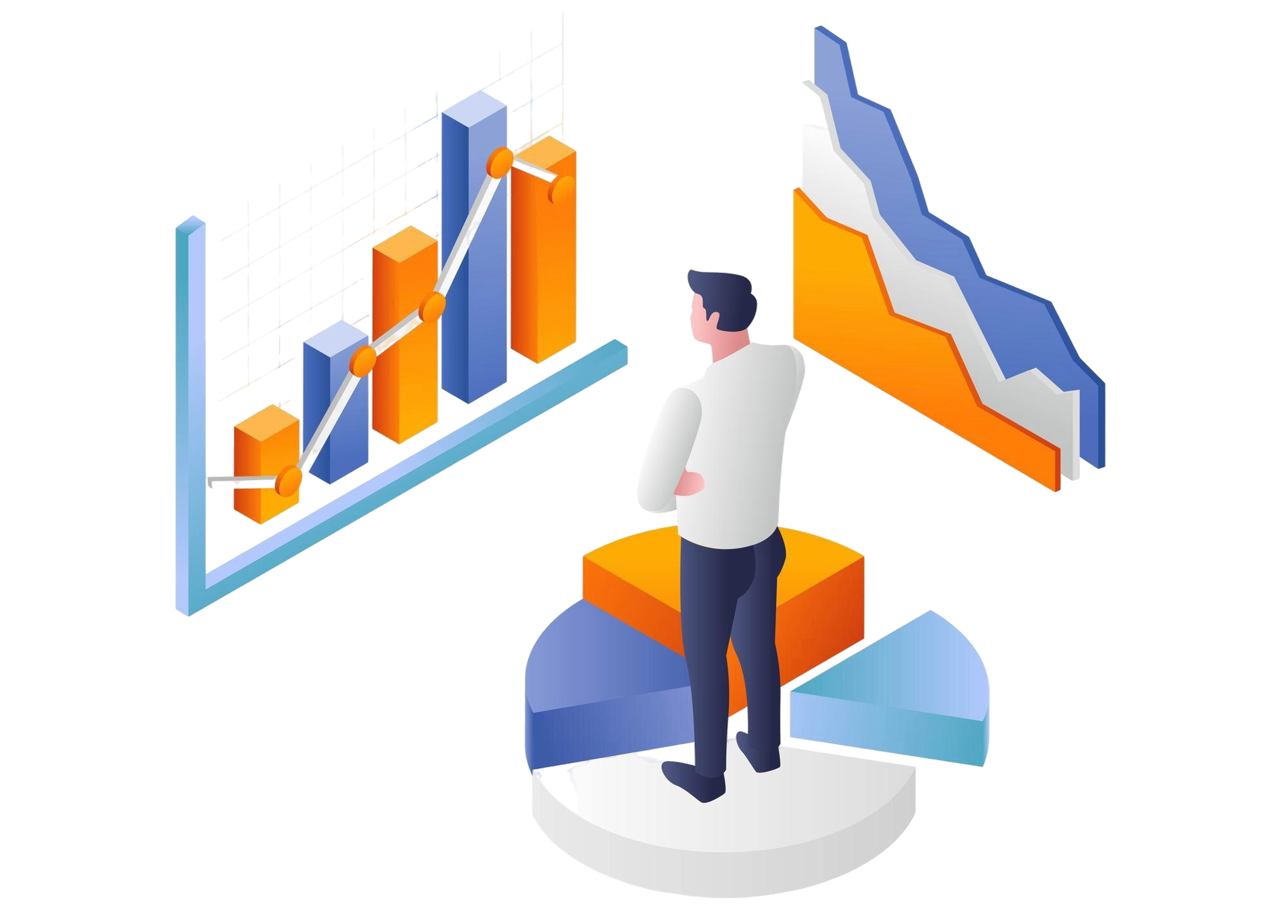
Data Loss Prevention (DLP)
Data Loss Prevention (DLP) is a critical aspect of cybersecurity that involves implementing measures to prevent unauthorized access, use, disclosure, disruption, modification, or destruction of sensitive data. For websites, ensuring robust DLP is essential to protect user information, maintain trust, and comply with regulatory requirements. Here’s a detailed guide on DLP for websites:
What is Data Loss Prevention?
Data Loss Prevention (DLP) is an essential cybersecurity measure that safeguards your sensitive data from unauthorized access, use, or disclosure. In today's digital landscape, protecting data is not just a regulatory requirement but a fundamental aspect of maintaining your organization's reputation and trust.
Why Choose Our DLP Solutions?
Our advanced DLP solutions are designed to protect your most valuable asset: your data. By implementing our comprehensive, customizable, and robust DLP strategies, you can ensure your organization is secure, compliant, and prepared for any data security challenge.
Benefits of Implementing DLP Solutions
By incorporating DLP solutions, organizations can protect their sensitive data, maintain regulatory compliance, and reduce the risk of costly data breaches.

Risk Mitigation
Reduces the risk of data breaches and leaks by identifying and securing vulnerable data points across the organization.

Data Visibility
Provides comprehensive visibility into data flow and usage, helping organizations understand where their sensitive data resides and how it is being used.

Enhanced Security Posture
Strengthens overall security by integrating with other security tools and providing layered protection against data leaks and breaches.

Cost Savings
Minimizes the financial impact of data breaches by preventing data loss incidents, which can lead to hefty fines, legal fees, and damage to reputation.
Protection of Intellectual Property
Safeguards proprietary information, trade secrets, and intellectual property from unauthorized access and theft.
Improved Incident Response
Enhances the ability to quickly detect, respond to, and remediate data leak incidents, reducing the potential damage and recovery time.
Regulatory Compliance
Ensures adherence to legal and regulatory requirements such as GDPR, HIPAA, CCPA, and others by protecting sensitive data and maintaining necessary audit trails.
Employee Awareness and Accountability
Educates employees about data security policies and enforces accountability, reducing the likelihood of accidental data leaks.
Key Features of Our DLP Solutions

Content Discovery and Classification
- Scanning and Indexing: Our DLP solutions thoroughly scan data at rest and data in motion to identify and protect sensitive information
- Automatic Classification: Data is automatically classified based on predefined policies, ensuring appropriate handling and protection
- Identify Sensitive Data: Determine which data is sensitive and classify it accordingly
- Label Data: Apply labels to sensitive data to ensure it is easily identifiable and handled appropriately
Policy Enforcement
- Custom Policies: Allows the creation and customization of security policies based on organizational needs and regulatory requirements
- Automated Actions: Automatically triggers actions such as encryption, quarantine, or blocking data transfers based on policy violations
Endpoint Protection
- Device Control: Regulate the use of removable storage devices like USB drives to prevent unauthorized copying or transfer of sensitive data
- Application Control: Monitor and manage application activities to prevent data exfiltration through unauthorized software
Network Security
- Traffic Analysis: Inspect network traffic to detect and prevent unauthorized data transmissions
- Email Security: Scan emails and attachments for sensitive content, enforcing policies to prevent accidental or malicious data leaks
Cloud Data Protection
- Cloud Access Security Broker (CASB): Extend DLP policies to your cloud environments, ensuring data protection across all cloud applications and services
- Cloud Storage Monitoring: Monitor and control data stored in cloud services like Google Drive, Dropbox, and OneDrive
User Behavior Analytics (UBA)
- Behavioral Analysis: Track and analyze user behavior to detect anomalies that may indicate potential data leaks or insider threats
- Risk Scoring: Assign risk scores to users based on their activities, helping identify high-risk individuals and actions
Access Control
- Role-Based Access Control (RBAC): Implement RBAC to ensure users have access only to the data they need for their roles
- Multi-Factor Authentication (MFA): Use MFA to add an extra layer of security for accessing sensitive data
Data Encryption
- In-Transit Encryption: Use HTTPS and TLS to encrypt data transmitted between the user's browser and the web server
- At-Rest Encryption: Encrypt sensitive data stored on the server to protect it from unauthorized access
Data Masking
- Anonymization: Mask sensitive data in development and testing environments to prevent exposure
- Tokenization: Replace sensitive data with tokens that can be mapped back to the original data only by authorized systems
User Training and Awareness
- Security Training: Educate employees and users about data security best practices and the importance of protecting sensitive information
- Phishing Awareness: Train users to recognize and avoid phishing attacks that could compromise sensitive data
Incident Response Plan
- Preparation: Develop a comprehensive incident response plan that outlines steps to take in case of a data breach
- Response Team: Establish a response team responsible for managing and mitigating data breaches
Data Minimization
- Collect Only Necessary Data: Avoid collecting more data than necessary to reduce the risk of exposure
- Regular Data Purging: Implement policies for regularly deleting data that is no longer needed
Compliance with Regulations
- GDPR Compliance: Ensure your website complies with the General Data Protection Regulation (GDPR) if you handle data of EU citizens
- CCPA Compliance: Follow the California Consumer Privacy Act (CCPA) regulations if you collect data from California residents
Third-Party Risk Management
- Vendor Assessment: Evaluate the security practices of third-party vendors and partners who have access to your data
- Contracts and Agreements: Ensure contracts with third parties include data protection clauses
Real-time Monitoring and Reporting
- Continuous Monitoring: Our solutions continuously monitor data usage and transfers across networks, endpoints, and cloud services
- Detailed Reporting: Generate comprehensive reports on incidents, policy violations, and data usage patterns to support compliance and audits purpose
- Activity Logs: Maintain detailed logs of all access and modification activities on the website
- Regular Audits: Conduct regular audits to review access logs and detect any unauthorized activities
Implementation Steps for DLP
Assessment
Conduct a thorough assessment to identify sensitive data and potential risks
Planning
Develop a DLP strategy that includes policies, procedures, and technologies to protect data

Deployment
Implement the chosen DLP technologies and configure them according to your strategy
Training
Conduct training sessions for employees and users on data protection practices
Monitoring
Continuously monitor data access and usage to detect and respond to potential leaks
Review and Update
Regularly review and update your DLP policies and technologies to address new threats and changes in regulations
By following these guidelines, you can establish a robust Data Leak Protection framework for your website, ensuring the security and privacy of sensitive information.
Data leak protection (DLP) is a critical component of cybersecurity strategies, designed to prevent sensitive data from being accessed, used, or disclosed by unauthorized individuals. Below are the key features and benefits of data leak protection